

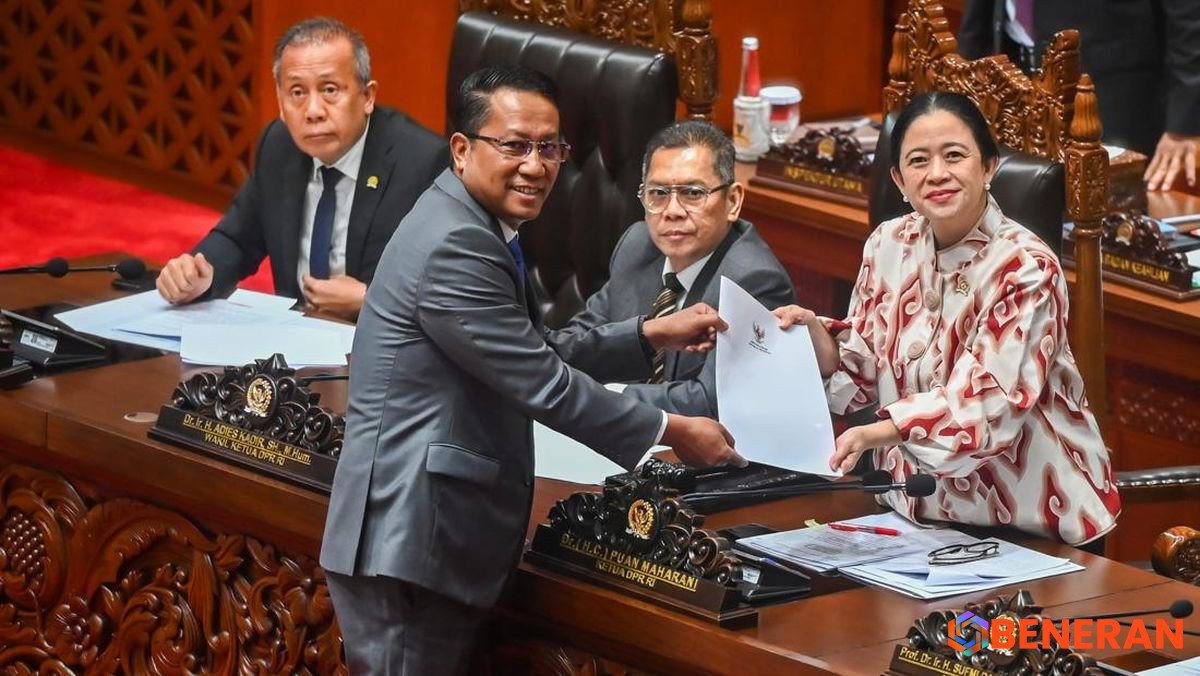

Indonesia‘s House of Representatives (DPR) has officially ratified the Draft Criminal Procedure Code (RKUHAP). This pivotal legislative action transforms the RKUHAP into a new, binding law. The approval occurred during a DPR Plenary Session held on Tuesday, October 18.
The Ratification Process
The formal approval marks the culmination of an extensive legislative journey. Lawmakers convened in a Plenary Session, the final stage for parliamentary endorsement. This session provides the platform for members to cast their definitive votes on proposed legislation.
Such ratification underscores the DPR’s authority in shaping the nation’s legal framework. It ensures new laws reflect the collective will of the people’s representatives. The process concludes with the official promulgation of the new statute.
Significance of the New Code
The newly ratified Criminal Procedure Code introduces fundamental changes to Indonesia’s legal landscape. This legislation dictates the procedures for criminal investigations, prosecutions, and judicial processes. It affects law enforcement agencies, prosecutors, and courts.
A comprehensive code ensures clarity and consistency in legal proceedings. It aims to uphold justice and protect the rights of individuals within the criminal justice system. The code provides a framework for handling various criminal cases across the nation.
Impact on Legal Framework
This new law will supersede previous regulations governing criminal procedures. Its implementation will necessitate adjustments across the entire judiciary and law enforcement sectors. Legal practitioners will need to familiarize themselves with the updated provisions.
The ratification of the RKUHAP represents a significant moment for Indonesian law. It signifies the nation’s ongoing commitment to refining its legal infrastructure. The new code is poised to shape criminal justice for years to come.




Leave a Comment